A roof plays a critical role in protecting a property from weather exposure, moisture intrusion, and long-term structural wear. Over time, aging materials, storm damage, and environmental conditions can weaken roofing systems and reduce their overall performance. When repairs are no longer sufficient, property owners often begin exploring what to expect from a professional roof replacement service.
Replacing a roof involves much more than installing new shingles or materials. Professional roofing contractors evaluate structural conditions, identify problem areas, and develop a detailed plan designed to improve long-term durability and performance. Understanding the overall process can help homeowners and commercial property owners feel more prepared before work begins.
A professional roof replacement service typically includes inspections, material recommendations, removal of old roofing materials, installation of updated systems, and final project evaluations. Each phase contributes to the overall functionality and longevity of the roof. Working with experienced roofing professionals helps ensure that every step is completed carefully and efficiently.
Evaluating Existing Roofing Conditions Before Installation
The roof replacement process usually begins with a comprehensive inspection of the current roofing system. Contractors examine shingles, flashing, ventilation components, underlayment, decking, and drainage systems to determine the extent of wear or damage. This evaluation helps identify issues that may affect the replacement process or require additional attention during installation.
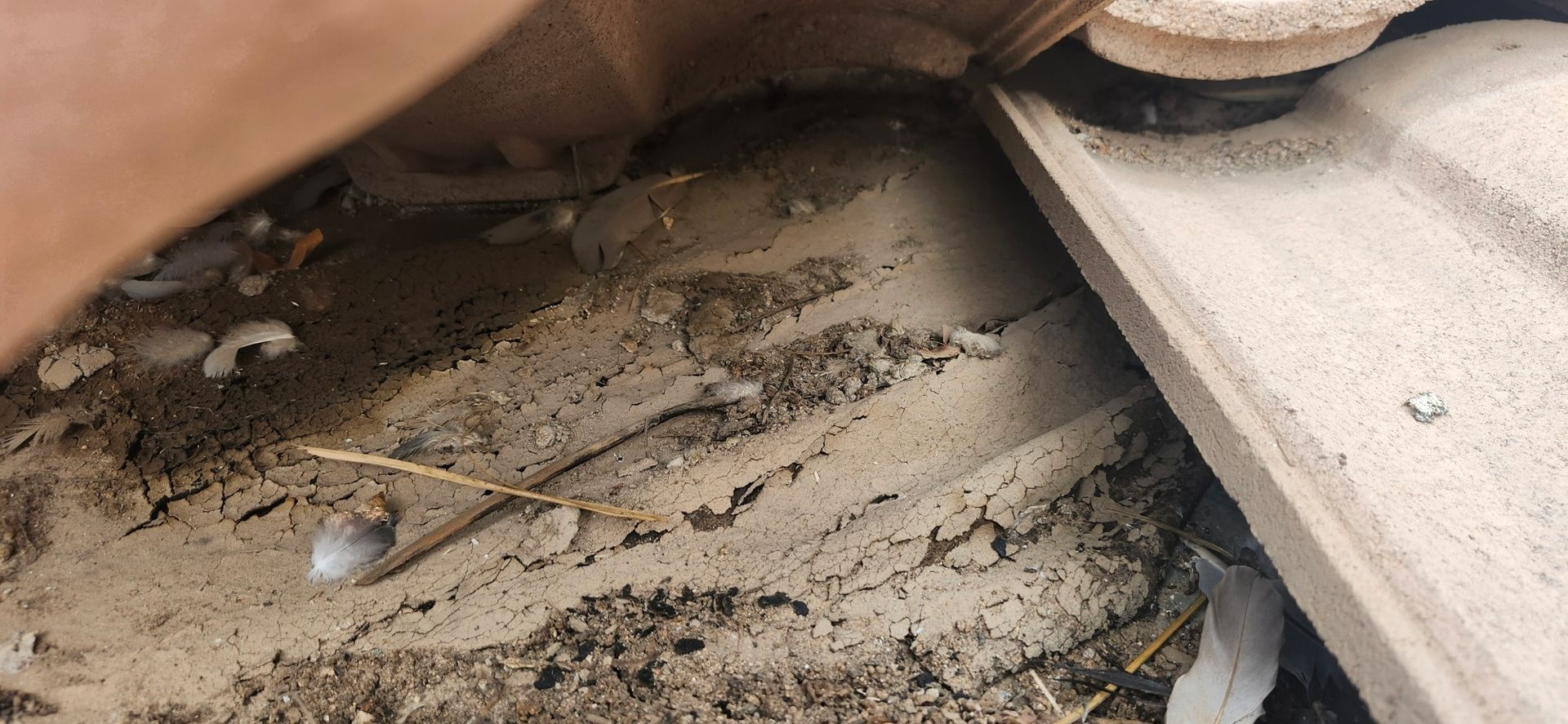
Signs of roof deterioration can vary depending on the age of the structure and environmental conditions. Missing shingles, water stains, sagging areas, moisture intrusion, and visible surface damage are common indicators that replacement may be necessary. Professional evaluations provide property owners with a clearer understanding of the roof’s current condition and future performance expectations.
A professional roof replacement service also involves assessing how surrounding components interact with the roofing system. Gutters, attic ventilation, chimneys, skylights, and roof penetrations may all influence installation planning. Identifying these factors early allows contractors to develop a more organized and efficient replacement strategy.
Selecting Roofing Materials for Long-Term Performance
Material selection is one of the most important aspects of the roof replacement process. Roofing materials influence durability, weather resistance, appearance, and long-term maintenance requirements. Contractors help property owners evaluate material options based on the structure’s design, climate conditions, and performance goals.
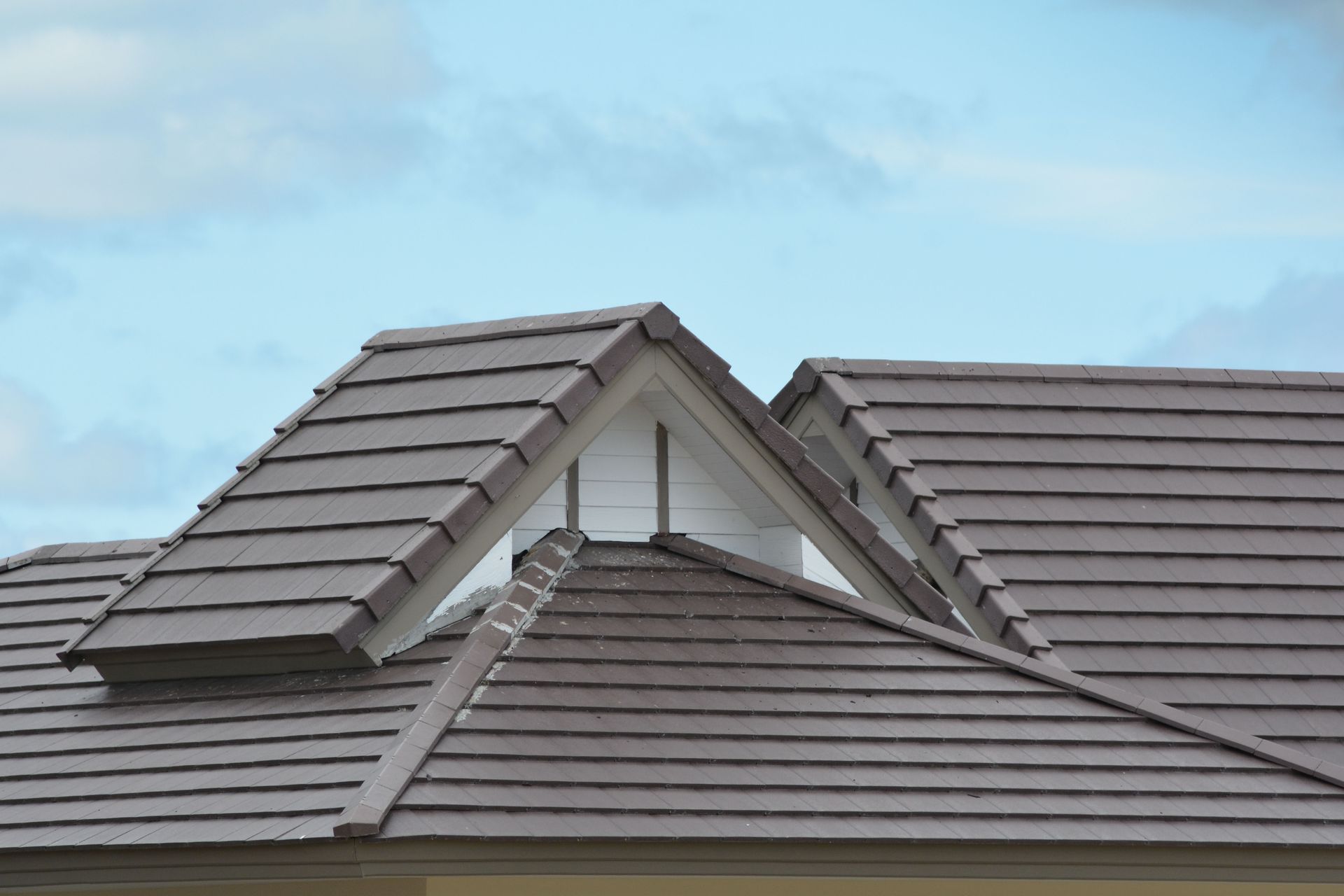
Modern roofing systems are available in a variety of materials, including asphalt shingles, metal roofing, tile, synthetic products, and architectural systems. Each material offers different characteristics related to lifespan, appearance, and environmental performance. Professional guidance helps property owners better understand which materials may align most effectively with their property needs.
According to IBISWorld, the market size of the roofing contractors industry in the U.S. is $92.5bn in 2026. This continued industry growth reflects the ongoing demand for roofing improvements and replacement services across residential and commercial properties. As roofing technology and material options continue evolving, professional contractors play an important role in helping property owners navigate these choices.
Preparing Properties for Roofing Installation Projects
Before installation begins, contractors typically prepare the property to support a smoother and safer work environment. Preparation may include protecting landscaping, organizing equipment access points, and discussing project timelines with property owners. Proper planning helps minimize unnecessary disruptions throughout the replacement process.
Roof replacement projects often generate debris, noise, and increased activity around the property. Professional roofing crews establish organized work zones designed to improve efficiency while protecting surrounding areas. This preparation helps maintain cleaner project conditions and reduces the likelihood of avoidable property damage during installation.
A professional roof replacement service also includes communication regarding scheduling expectations and project coordination. Weather conditions, roof size, material availability, and structural complexity may influence installation timelines. Clear communication helps property owners understand what to expect as work progresses.
Removing Existing Roofing Materials With Care
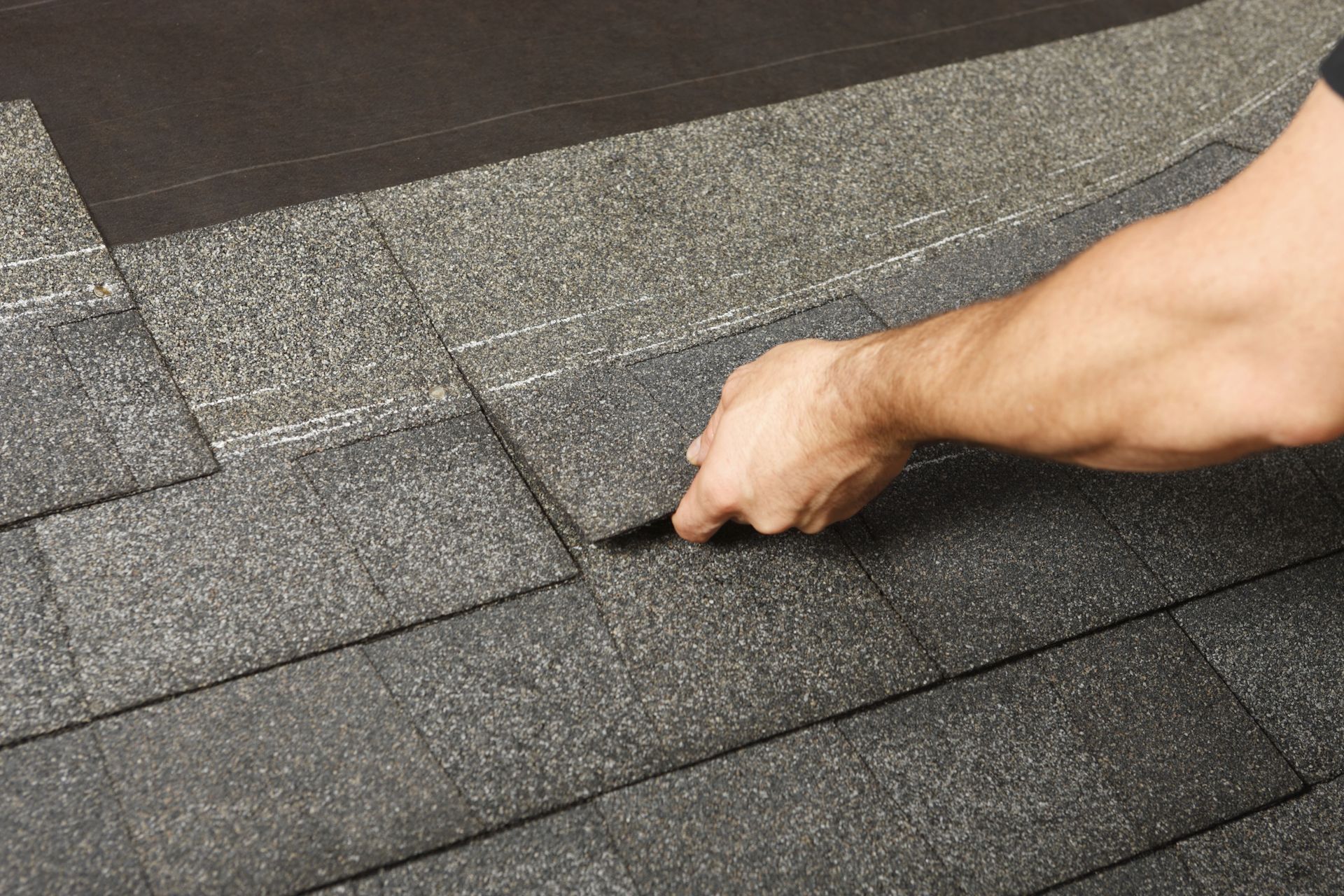
One of the first major phases of roof replacement involves removing existing roofing materials. Contractors carefully strip away old shingles, underlayment, flashing, and damaged components to expose the roof deck underneath. This process allows roofing professionals to inspect the structure more thoroughly before installing new materials.
During removal, contractors may identify hidden issues that were not fully visible during the initial inspection. Moisture damage, rotted decking, weakened support areas, or ventilation concerns can become more apparent once older materials are removed. Addressing these issues before installation helps support stronger long-term roofing performance.
A professional roof replacement service prioritizes organized debris management throughout the removal process. Roofing crews use protective barriers, cleanup equipment, and designated disposal areas to maintain safer workspaces and cleaner surrounding conditions. Careful cleanup procedures help reduce disruptions to the property during installation.
Installing Updated Roofing Systems With Precision
After preparation and removal are complete, contractors begin installing the new roofing system. This phase involves multiple layers working together to protect the property from moisture, weather exposure, and temperature fluctuations. Proper installation techniques are essential for achieving reliable long-term roof performance.
Roofing systems often include underlayment, moisture barriers, flashing components, ventilation elements, and surface materials designed to work as a complete system. Contractors follow structured installation procedures to help ensure proper alignment, sealing, and structural support throughout the roof. Attention to detail during installation helps improve overall durability and performance.
A professional roof replacement service also involves adapting installation methods to the structure’s design and environmental conditions. Roof slope, drainage patterns, surrounding vegetation, and local climate factors all influence installation planning. Experienced roofing professionals understand how these variables affect material performance over time.
Improving Ventilation Systems During Roof Replacement
Roof ventilation plays a significant role in maintaining indoor comfort and protecting roofing materials from excessive heat and moisture buildup. Poor ventilation can contribute to issues such as trapped humidity, uneven temperatures, and premature material deterioration. Roof replacement projects often provide an opportunity to evaluate and improve ventilation performance.
Contractors may inspect attic airflow systems, intake vents, exhaust vents, and insulation conditions during the replacement process. Balanced ventilation helps regulate temperature and moisture levels while supporting healthier roofing conditions over time. Addressing ventilation concerns during installation can improve the overall effectiveness of the roofing system.
A professional roof replacement service considers how airflow affects both roof performance and indoor environmental conditions. Proper ventilation may help reduce heat accumulation in attic spaces and support more consistent indoor temperatures throughout changing seasons. These improvements contribute to long-term roofing stability and structural protection.
Managing Project Safety Throughout Installation
Roof replacement projects involve elevated work areas, heavy materials, specialized equipment, and changing weather conditions. Professional contractors follow structured safety procedures designed to protect workers, property occupants, and surrounding areas throughout the installation process. Organized project management plays an important role in maintaining safer working conditions.
Roofing crews often use protective equipment, fall prevention systems, debris management practices, and coordinated material handling procedures during installation. These measures help reduce risks associated with roofing work while supporting more efficient project completion. Professional oversight helps maintain safer environments during each phase of construction.
A professional
roof replacement service also includes careful coordination among crew members to manage changing project conditions. Weather shifts, structural variations, and unexpected repairs may require adjustments throughout the installation process. Experienced contractors understand how to respond efficiently while maintaining organized workflows and quality workmanship.
At Hays Roofing, we are committed to providing professional roofing solutions designed to support long-term property protection and performance. Our team works closely with property owners throughout every phase of the replacement process while focusing on quality workmanship and dependable service. We take pride in helping our customers feel confident in the safety, durability, and appearance of their roofing systems.