Roofing problems can range from a few damaged shingles to widespread deterioration affecting multiple areas of a home. When leaks, missing materials, or other warning signs appear, homeowners may wonder whether repairs are sufficient or whether a roof replacement is necessary. The right approach depends on factors such as the age of the roof, the extent of the damage, previous repairs, and the condition of the underlying structure. Understanding these factors can help homeowners evaluate their options and avoid repeatedly addressing symptoms without considering the overall condition of the roofing system. A professional inspection can provide specific information about your property, but knowing what factors typically influence the decision can help you better understand the recommendations you receive.
Evaluating the Age of the Roof
Age is an important consideration when deciding how to address roofing problems. Every roofing material has an expected service life, and older materials may be more vulnerable to deterioration. If a relatively new roof has a small damaged area, repairs may restore its performance without requiring extensive work. A few missing shingles, minor flashing damage, or another isolated problem can sometimes be addressed when the surrounding materials remain secure and functional.
Older roofing systems require additional consideration because repairing one area may not prevent problems elsewhere. Shingles can become brittle, seals can deteriorate, and protective materials can wear down as they age. When a roof is approaching the end of its expected service life, homeowners should consider how likely additional repairs are to become necessary. Age alone does not determine the solution, but it provides useful context when evaluating the overall condition of the system.
Assessing the Extent of the Damage
The amount of damage can significantly influence whether repairs are practical. A small section damaged by wind, debris, or another isolated event may be repairable if the surrounding roofing materials are in good condition. Contractors may be able to replace damaged shingles, address flashing, or correct another localized problem without disturbing the rest of the roof. Repairs can be particularly appropriate when the cause and boundaries of the damage are easy to identify.
Widespread damage can require a different approach. Large areas of missing, curling, cracked, or deteriorated shingles may indicate that the problem extends beyond one location. Severe weather can also damage several portions of a roof simultaneously. When deterioration affects substantial areas, a roof replacement may provide a more comprehensive solution than completing numerous separate repairs.
Checking for Recurring Leaks
A single leak does not necessarily indicate that the entire roofing system needs major work. Water may enter around flashing, vents, fasteners, or another localized weakness. If the source can be identified and surrounding materials remain in good condition, a targeted repair may stop the intrusion. Leaks should still be addressed promptly because water can travel along decking, rafters, and insulation before becoming visible inside the home.
Recurring leaks deserve closer attention, particularly when repairs have already been performed in multiple locations. Repeated water intrusion may indicate broader deterioration and can contribute to damaged insulation, stained ceilings, deteriorating decking, and other concerns. If leaks continue appearing despite previous work, roof replacement may be worth considering. Addressing the entire roofing system can sometimes be more practical than repeatedly repairing different areas as they begin to fail.
Reviewing the History of Repairs
Previous repairs can provide important information about how a roof is aging. Occasional work is normal, especially after storms or accidental damage. A roofing system that has required only minor repairs over many years may still have considerable useful life. Keeping records of previous work can help homeowners identify what was repaired, when the work occurred, and whether current problems are developing in the same areas.
Frequent repairs can reveal a different pattern. Continually addressing missing shingles, leaks, flashing problems, or other issues can become expensive without resolving widespread deterioration. A roof replacement may be more appropriate when numerous areas require attention within a relatively short period. Comparing previous repair expenses with the condition and expected remaining life of the roof can help homeowners determine whether continuing with individual repairs makes practical financial sense.
Considering the Condition of Materials
The visible condition of roofing materials can offer useful clues about the extent of deterioration. Shingles that remain flat, secure, and intact may still perform properly even when a small section becomes damaged. Widespread curling, cracking, blistering, or granule loss can indicate more advanced wear. Homeowners may also notice exposed areas, loose materials, or noticeable differences between older portions of the roof and previously repaired sections.
Material choices can also affect other aspects of home performance. According to the U.S. Environmental Protection Agency (EPA), reflective roofing materials can reduce cooling expenses by nearly 30%. Homeowners considering roof replacement may want to discuss available roofing products and how they relate to the property's needs. Energy performance also depends on factors such as climate, insulation, ventilation, and building design, so roofing materials should be evaluated as one part of the overall home.
Examining the Underlying Roof Structure
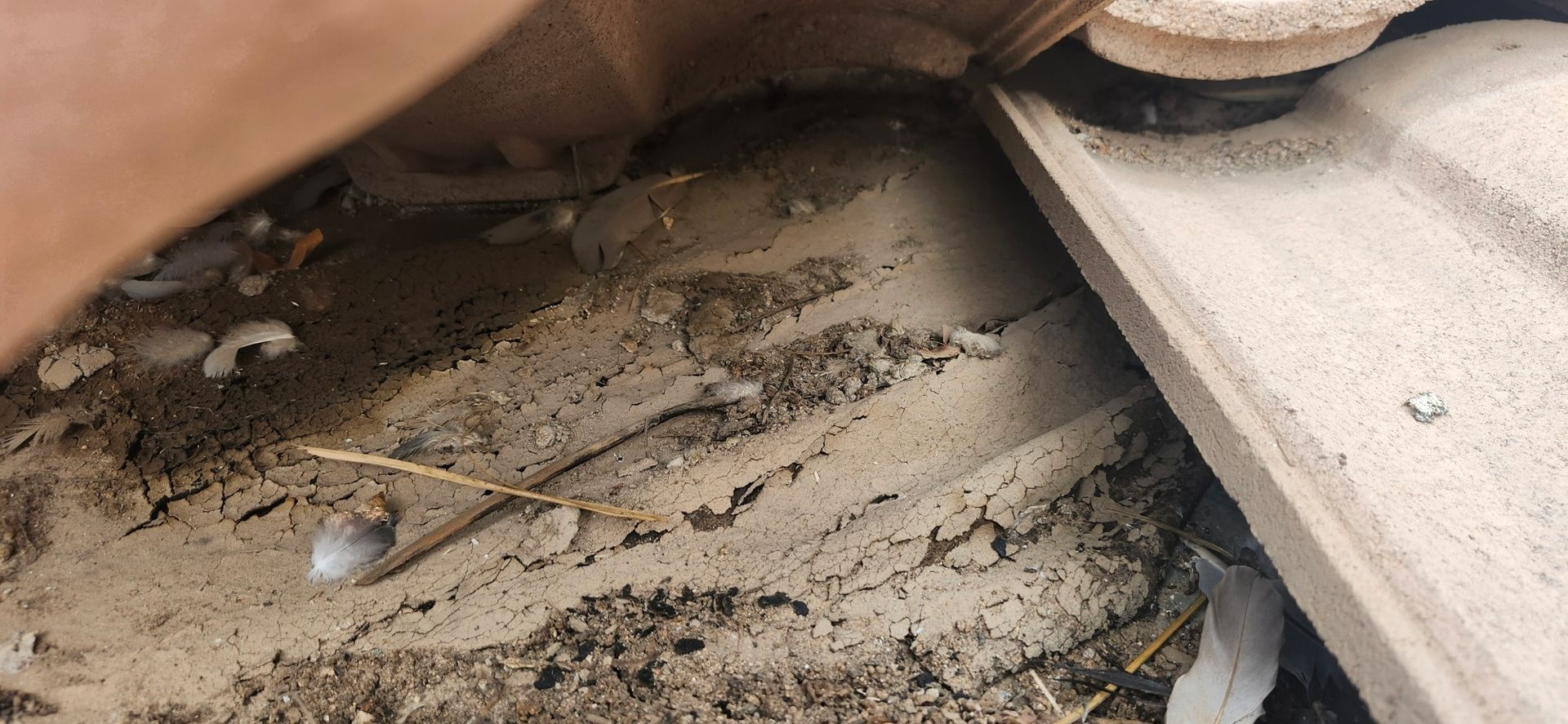
Not every roofing problem is limited to the exterior materials. Water that penetrates damaged roofing can reach the decking and other components beneath the surface. Soft spots, sagging sections, persistent moisture, or visible deterioration in the attic can indicate a deeper issue. Evaluating these areas is important because simply repairing exterior materials may not address damage that has already occurred underneath them.
Limited decking damage may be repaired by replacing affected sections while preserving much of the existing roofing system. Extensive deterioration can require broader access to damaged areas and more substantial work. In some situations, roof replacement allows compromised decking and exterior materials to be addressed during the same project. Determining what is happening beneath the visible surface can help homeowners understand whether they are dealing with an isolated problem or more extensive deterioration.
Comparing Immediate and Long-Term Costs
Repairs typically involve a smaller immediate expense than replacing an entire roof, which can make them appropriate when damage is limited. A targeted repair may extend the useful life of an otherwise dependable roofing system. However, homeowners should consider how long the repair is expected to last and whether additional areas are likely to need attention soon. Repeated repairs can gradually become a significant household expense.
Long-term costs become especially relevant when a roof is older or has widespread wear. Paying for multiple repairs within a short period may become less practical than addressing the entire system. A roof replacement involves a larger upfront project but may reduce recurring repair needs associated with aging materials. Comparing repair estimates, previous expenses, expected service life, and the overall condition of the roof can provide a more complete financial picture.
Consulting a Roofing Professional
Roofing conditions can be difficult for homeowners to evaluate because many important signs are not visible from the ground. A professional inspection can identify damaged materials, flashing issues, moisture intrusion, ventilation concerns, and other conditions that may affect the appropriate solution. Examining the entire roofing system rather than only an obviously damaged area can also reveal problems that homeowners may not have noticed.
Ask what damage was found, how extensive it is, and why a particular solution is recommended. Understanding whether problems are isolated, recurring, or widespread makes it easier to evaluate repairs against roof replacement. Homeowners can also ask about the expected remaining service life, warranties, material compatibility, and possible future repairs. Having clear information about the condition of the system can make it easier to choose an approach based on both immediate concerns and longer-term needs.
Choosing between roof repairs and more extensive work requires considering the age of the roof, the extent of damage, the frequency of leaks, repair history, material condition, underlying structure, and long-term costs. Minor and isolated problems may be suitable for repairs when the rest of the system remains dependable, while widespread deterioration can require a more comprehensive approach. Evaluating the entire roof instead of focusing only on the most visible problem can help homeowners make informed decisions about protecting their property. If you need professional guidance to determine whether repairs or a
roof replacement are right for your home, contact Hays Roofing today.